



Automobile Warning Light Guide
When it comes to car maintenance, knowing exactly what to do at every moment can be tricky. Luckily, your car tends to know when it’s time to fix a problem and will often inform you of it by way of those handy lights on your dashboard. Sadly, many drivers have no clue what their car is trying to tell them. In fact, in a study by Schrader International, 42 percent of drivers cannot identify the warning light that indicates low tire pressure, which should be considered a serious safety alert. Follow along with the photos below to learn what each light means for your car and how to properly handle each situation.
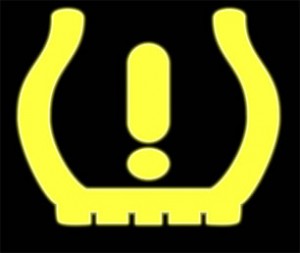
What it means: Low Tire Pressure
What to do: Not only can low tire pressure cause your car to eat up more gas, it can also lead to a punctured tire. While your tire may not be entirely flat yet, to fill your tires at a nearby gas station as soon as possible. If the problem persists, you may need to bring your car into a tire shop to have it patched. Learn more about tire maintenance in another blog post.
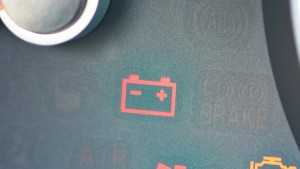
What it means: Low Battery
What to do: Batteries tend to live for 4-5 years, depending on how often you drive and how far. When this light comes on, it is a good idea to have the battery serviced or changed within a few days, otherwise you could be stranded with a dead car.
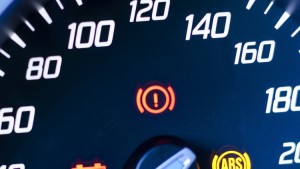
What it means: Low Brake Fluid
What to do: Brakes are probably the most important safety features on a car, so it’s always a good idea to be conscious of the brake light when it comes on. This light can indicate a leak or another problem in the braking system, so if this light comes on bring your car into the shop to have it checked out as soon as possible and without traveling too far.
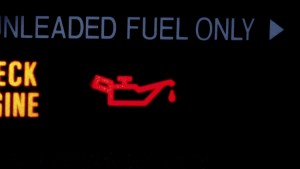
What it means: Low Oil
What to do: The oil in a car helps to lubricate the engine, which is often the most expensive part of a vehicle. To add oil, purchase the correct type for your car as stated in the owner’s manual and top it off using a dipstick. Be careful not to overfill the engine. You can also take it in for an inspection to have them fill it or check for other possible engine problems.
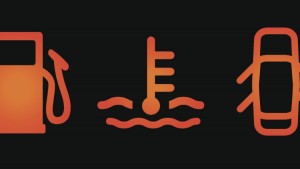
What it means: Temperature Issue
What to do: When the temperature light turns on, this indicates a coolant leak, a bad water pump, or a bad thermostat. If you’re driving a car with cooling problems, the engine may overheat, causing components to warp or malfunction. While it could be a minor problem, don’t take that risk. Bring your car to a mechanic as soon as possible.
Don’t leave your safety to fate– always be aware of the signals your car give you in order to properly maintain your vehicle. Look out for our blog post later this week to learn about sounds to watch out for in your automobile!
0 comment(s) so far on Automobile Warning Light Guide